
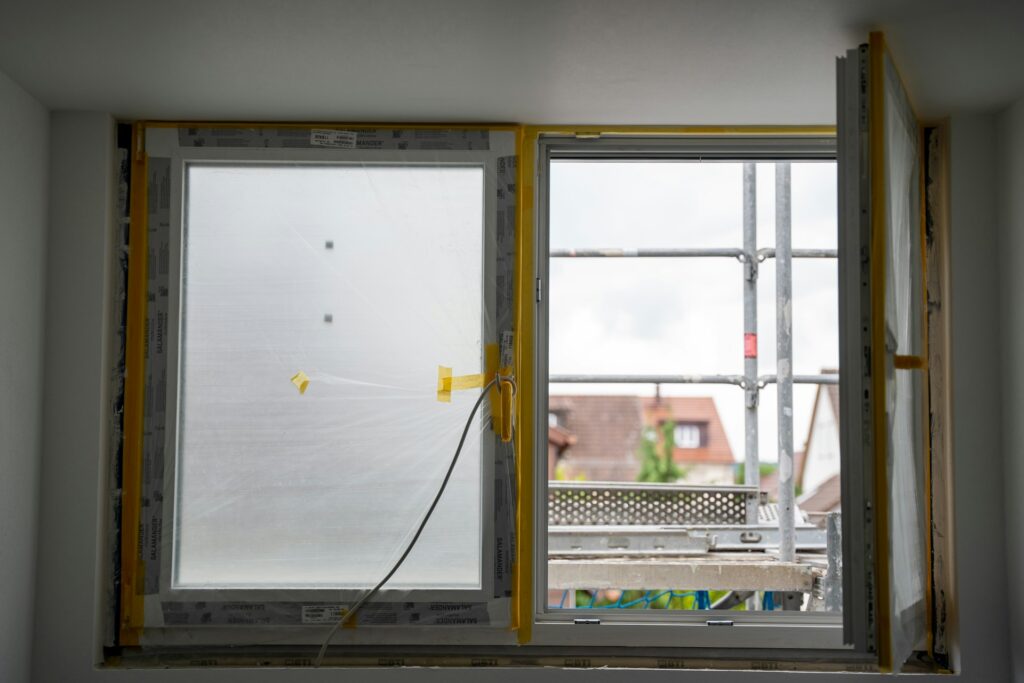
Window installation plays a major role in how a home performs. It affects insulation, comfort, and overall durability. Even high-quality windows, including UPVC Windows, can fail if they are not installed correctly. Small errors during installation often lead to long-term problems. Many homeowners focus on the product itself. They choose the right size, design, and material. However, the installation process is just as important. Mistakes in this stage can result in drafts, leaks, and reduced efficiency. Professionals follow specific methods to prevent these issues. Their approach focuses on accuracy and consistency. Understanding common mistakes helps explain why expert installation matters.
Incorrect Measurements and Poor Fit
One of the most common issues in window installation is incorrect measurement. A window that does not fit properly creates gaps around the frame. These gaps can allow air and moisture to enter. Even small measurement errors can affect performance. A tight fit is necessary for proper sealing. Without it, insulation becomes less effective. Experts take precise measurements before installation begins. They check width, height, and depth carefully. This helps ensure that the window fits the opening correctly. Accuracy at this stage prevents many problems later. It also supports better energy performance and long-term stability.
Improper Sealing and Insulation

Sealing is essential for keeping air and moisture out. Poor sealing can lead to drafts and water damage. It can also reduce the effectiveness of the window. Some installations use too little sealant. Others apply it unevenly. These mistakes create weak points around the frame. Professionals focus on consistent sealing. They apply materials evenly and cover all necessary areas. This helps ensure that the window remains secure. Insulation also plays a role. Gaps between the window and the wall must be filled properly. This supports temperature control and reduces energy loss. Proper sealing and insulation help maintain comfort inside the home. They also protect the structure from damage.
Misalignment During Installation
Alignment affects both function and appearance. A window that is not level may not open or close properly. It can also create stress on the frame over time. Misalignment often happens when the frame is not positioned correctly. This can lead to uneven pressure on different parts of the window. Experts use tools to check alignment during installation. They adjust the frame until it is level and secure. This step helps ensure smooth operation. Proper alignment also improves durability. It reduces strain on hinges and other components. This helps the window perform well over time.
Without Moisture Management
Moisture control is a critical part of window installation. Without proper drainage, water can collect around the frame. This can lead to mold, rot, and structural damage. Some installations fail to include proper flashing. Flashing directs water away from the window. Without it, moisture can enter the wall. Professionals follow steps to manage water flow. They install flashing and check drainage paths. This helps ensure that water does not build up around the window. Moisture management protects both the window and the surrounding structure. It supports long-term performance and durability.
Incorrect Materials or Tools

The materials used during installation affect the final result. Using the wrong type of sealant or fasteners can weaken the installation. It may also reduce the window’s lifespan. Some installers rely on general materials instead of those designed for windows. This can lead to poor performance over time. Experts select materials based on the specific installation. They consider factors such as climate and wall type. This helps ensure compatibility and effectiveness. The right tools also make a difference. Proper equipment allows for accurate placement and secure fastening. This supports a more reliable installation process.
Adjustments and Skipping Final Inspection
The final stage of installation is often overlooked. Some installers complete the process without checking their work. This can leave small issues unresolved. A final inspection helps identify problems before they become serious. It includes checking alignment, sealing, and operation. Adjustments can be made if needed. Professionals take time to review the installation. They test the window to ensure it opens and closes smoothly. They also check for gaps or weak points. This step helps ensure that the installation meets expected standards. It also provides confidence that the window will perform as intended.
Window installation requires careful attention to detail. Common mistakes such as poor measurement, improper sealing, and misalignment can affect performance. These issues often lead to higher costs and reduced comfort. Experts avoid these problems by following structured methods. They focus on accuracy, proper materials, and thorough inspection. This approach helps ensure that windows function correctly and last longer. Choosing professional installation supports better results. It reduces the risk of errors and improves overall home performance. A well-installed window provides both comfort and reliability.