
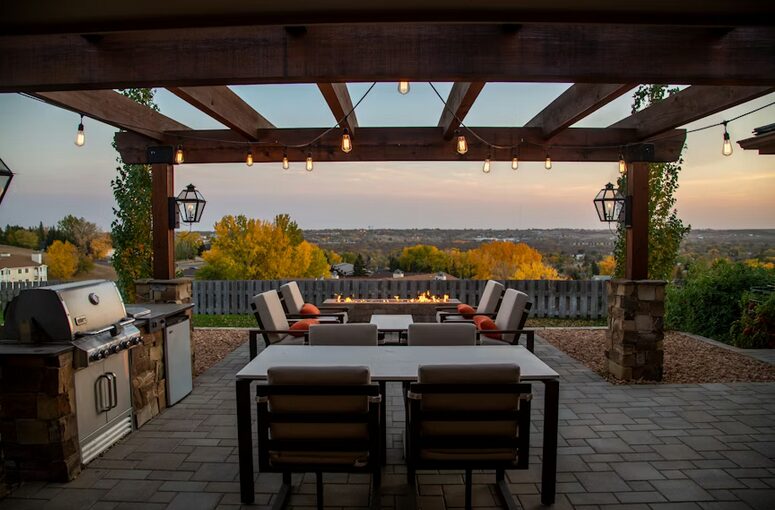
Transforming an outdoor space into a comfortable and inviting retreat starts with the right furniture. Garden furniture is more than a collection of chairs and tables—it defines how you relax, entertain, and enjoy nature. Selecting the perfect pieces requires balancing aesthetics, functionality, and durability, so your garden becomes both stylish and practical. The process can be overwhelming, with countless materials, designs, and layouts available. By focusing on informed decisions, you can create a space that suits your lifestyle and enhances the overall appeal of your home. Many homeowners overlook small yet impactful details when selecting furniture, but with thoughtful planning and clear priorities, your garden can become a versatile and enjoyable extension of your living space. This article offers key tips to guide you through the process.
Consider the Material Carefully
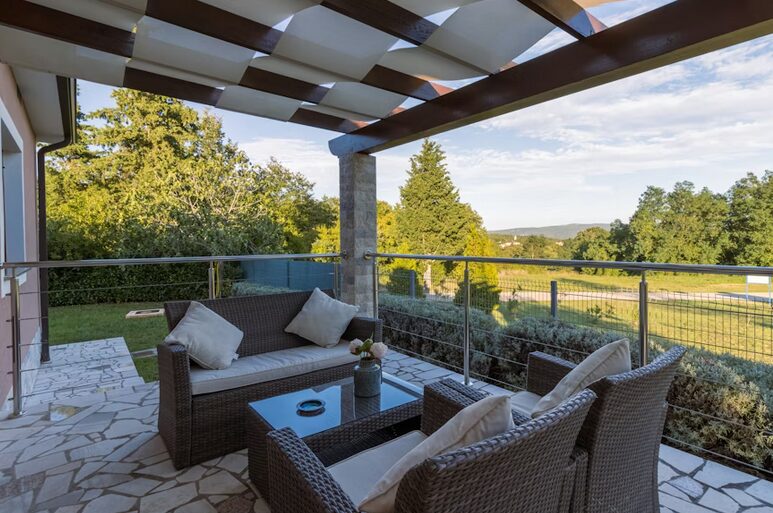
Material selection is one of the most important aspects of garden furniture. Different materials offer varied levels of durability, comfort, and maintenance requirements. For instance, wooden furniture provides natural beauty and warmth but may require regular treatment to prevent weather damage. Metal furniture, such as aluminum or wrought iron, tends to be long-lasting and resistant to wear, but some types may be prone to rust if not properly coated. Synthetic rattan and resin options offer weather resistance with minimal upkeep, making them ideal for busy homeowners or areas with high rainfall. Choosing a material that matches your lifestyle and the climate of your region reduces maintenance burdens and ensures your furniture retains its appeal over time.
Measure Your Space Accurately
Before buying any garden furniture, assess the size of your outdoor area. Oversized furniture can make a small garden feel cramped, while tiny pieces may look out of place in a large yard. Take measurements and plan a layout to determine how much seating you need and where tables or loungers will fit best. Consider pathways, lawn space, and potential garden features like fountains or flower beds. Using scaled diagrams or online planning tools can help visualize arrangements, preventing purchasing mistakes that waste money and space. Accurate measurements allow you to select furniture that harmonizes with your garden while maintaining sufficient movement and accessibility.
Prioritize Comfort

While style is important, comfort should never be compromised. Ergonomically designed chairs, cushioned seating, and adjustable loungers make outdoor spaces inviting and functional. Test furniture whenever possible, or read reviews regarding comfort levels. Materials like soft cushions and breathable fabrics enhance relaxation but should be weather-resistant to withstand exposure. Proper comfort encourages prolonged use of your garden for family gatherings, reading, or outdoor dining, creating a more enjoyable and practical space overall. Comfort-focused furniture ensures your outdoor area becomes a destination for relaxation rather than merely a decorative corner.
Match Style to Your Garden’s Theme
Garden furniture should complement the overall style of your outdoor space. Modern, minimalist furniture suits contemporary patios, while rustic wooden pieces enhance traditional or cottage-style gardens. Consider colors, textures, and shapes that harmonize with your surroundings, including greenery, flowers, and architectural elements. Coordinating furniture with the garden theme creates a cohesive and visually appealing environment, rather than an assortment of mismatched pieces. Thoughtful styling elevates your outdoor area from functional to inspiring, providing a space that feels intentional and aesthetically pleasing.
Consider Versatility and Storage

Practicality is crucial for long-term satisfaction. Choose furniture that can be moved easily, folded, or stacked for storage during off-seasons or extreme weather. Multi-purpose pieces, such as benches with storage compartments or extendable tables, increase functionality while saving space. Consider how often you host gatherings and whether your furniture can adapt to varying group sizes. Versatile and storable furniture ensures your garden remains tidy, organized, and usable throughout the year, accommodating both small family moments and larger social events without hassle.
Selecting the perfect garden furniture involves thoughtful attention to materials, space, comfort, style, and versatility. By making informed decisions in these areas, you create an outdoor space that is visually appealing, functional, and durable. Careful planning allows your garden to serve multiple purposes, from relaxation to entertaining guests, while minimizing maintenance challenges. Ultimately, furniture that balances aesthetics and practicality enhances the enjoyment of your outdoor environment, creating a personal oasis that complements your home and lifestyle. Prioritizing these considerations ensures long-term satisfaction and elevates the overall experience of your garden.…